I recently traveled to Lithuania for a long weekend. My primary motivation was to visit my niece, who was there on her Erasmus exchange, and to cross another country off my travel list. During the trip, I visited the two main cities: Vilnius and Kaunas.
While these cities share a similar essence, I noticed a distinct difference while I was taking photographs. This observation immediately triggered my professional eye. The difference lay in the plates used for house numbers. It may seem like a minor detail, but it serves as a perfect case study for Total Cost of Ownership (TCO). It illustrates how every small detail contributes to the bottom line of an organization or a municipality.
A Tale of Two Systems
Without specific data beyond my own observations, I compared the advantages and disadvantages of these two urban systems:
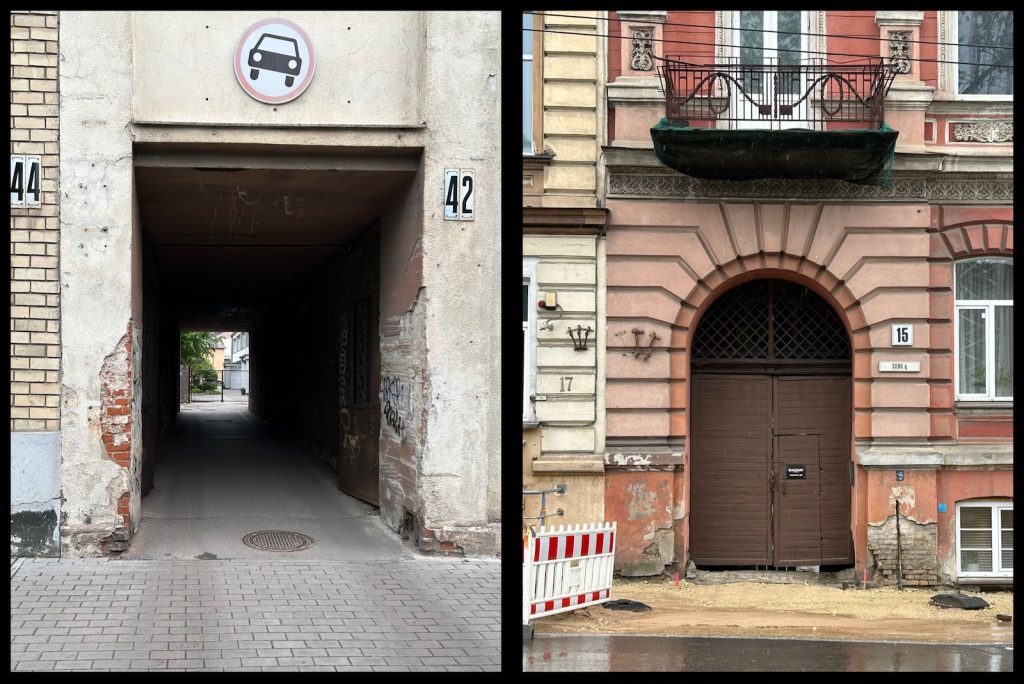
- Vilnius (The Capital): This city uses modern plates where each unit contains the full house number. It is a clean, aesthetically pleasing, and integrated solution.
- Kaunas (The Second City): This city combines individual digit plates (from 0 to 9). This approach looks more traditional. This was the first picture I took, as the style was very different from what I see at home.
Even if these plates represent a small fraction of a city budget, someone is responsible for optimizing those costs. I put myself in their shoes for a while (do not worry: I spared my niece from these professional reflections). To understand the true impact, we must look at the four pillars of the Total Cost of Ownership for this specific case.
1. Acquisition Cost
The acquisition cost is the most visible element of any TCO analysis. This cost is driven by material, manufacturing technology, and volume.
- Manufacturing Technology: The Vilnius plates appear more modern and of higher quality. However, they are probably manufactured with more efficient, automated technology.
- Purchase Price and Volume: Kaunas wins on unit price. By only managing 10 SKUs (0 through 9), the city can buy in massive bulk. Vilnius must manage hundreds of unique SKUs with much lower volumes for each. This reduces their bargaining power and increases the price per plate.
- Ordering and Logistics: Because Vilnius has so many variations, the procurement department must place more frequent and complex Purchase Orders. This increases the administrative labor for every plate acquired.
2. Operating Cost
These are the costs incurred to put the asset into productive use.
- Installation Labor: This is where the Vilnius model excels. An installer only needs to mount one plate. In Kaunas, any house number above 9 requires the installer to align, level, and fix multiple separate plates.
- Inventory Carrying Costs: Operating a warehouse costs money. Vilnius likely carries a high-value, slow-moving inventory. It is rare to need a replacement for a specific number like “427.” Kaunas operates a lean, high-rotation inventory. This reduces the capital tied up in the warehouse.
3. Maintenance and Support Costs
This covers the expense of keeping the system functional over time.
- Replacement Simplicity: If a “28” plate in Vilnius is damaged, the entire unit must be re-ordered and replaced. In Kaunas, if the “8” is damaged, the city only needs to replace that single digit. The city likely has that digit in stock.
- Service Levels: Because it is easier to keep the 10 digits of Kaunas in stock, the city can respond to maintenance requests immediately. Vilnius likely needs to place a custom order and wait for manufacturing lead times, even if they are short.
4. Disposal Costs
The final stage of the TCO is the cost of removing or recycling the asset at the end of its life.
- Waste Management: The Vilnius plates are modern but likely involve mixed materials or specialized coatings. This can make recycling more complex.
- Standardization and Reuse: The Kaunas plates are modular. If a building is demolished, a “1” or a “2” can be cleaned and returned to stock for another project. A custom “128” plate from Vilnius has no value once it is removed from its specific location.
The Takeaway
It is not immediately clear which solution is more competitive. Many factors must be taken into account, and local priorities will have a significant impact on the final decision. The Vilnius solution is likely cheaper regarding installation labor, while the Kaunas solution is optimized for inventory, ordering costs, and consistent service.
When we apply this to a corporate environment, every department must contribute to these decisions:
- Engineering: Must adopt a design-to-cost approach and consider how many SKUs their design creates.
- Sales: Must provide market dynamics to explain how often new installations are required.
- Finance: Must allocate the budget for carrying physical stock.
- Sourcing: Must leverage the price advantages of different manufacturing technologies.
- Operations: Must account for the hidden labor in the warehouse and administrative offices.
Whether you are managing a city or a global supply chain, remember that the “cheapest” part is not always the one with the lowest price tag.
Leave a Reply