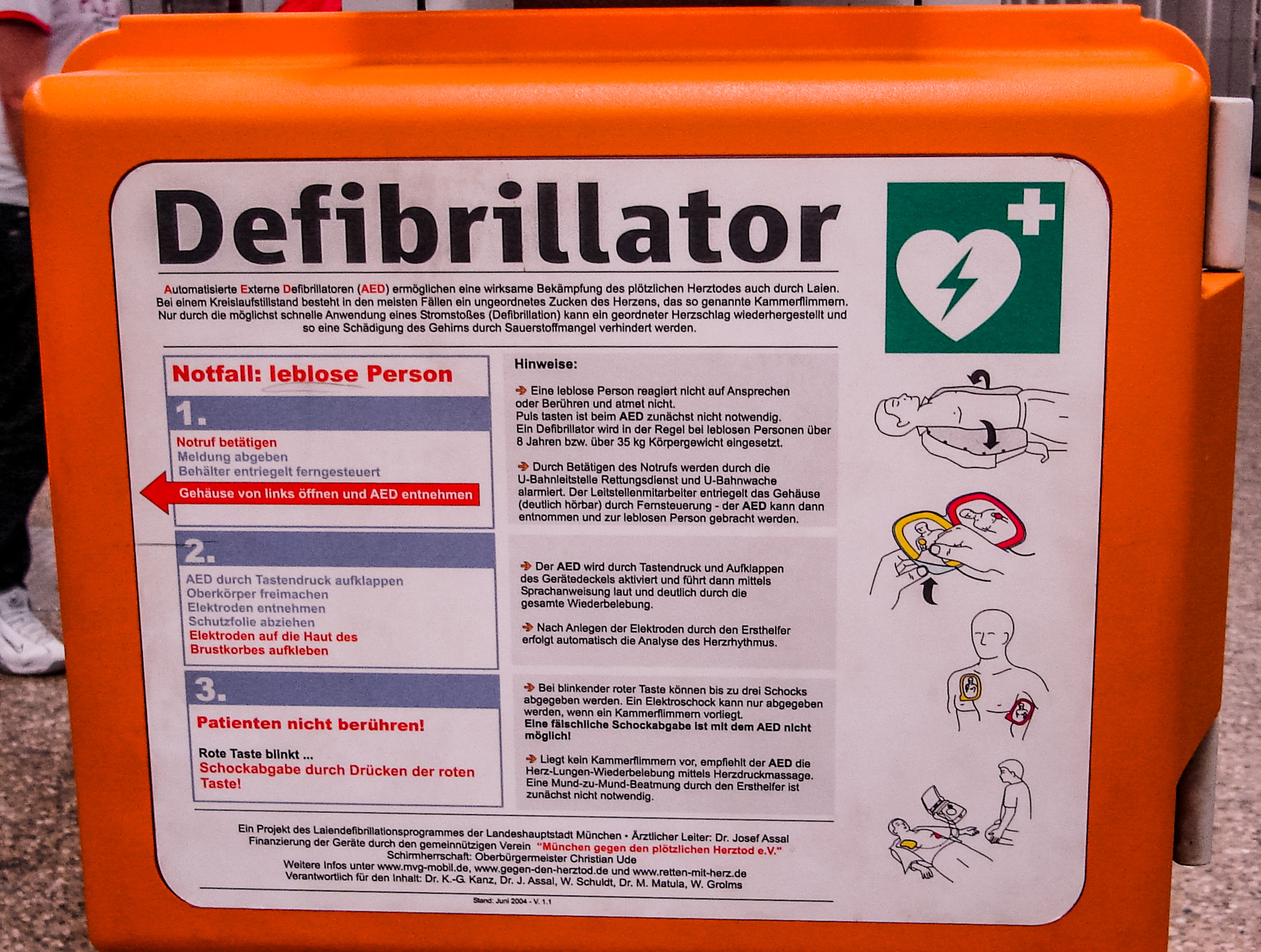
One person goes into cardiac arrest outside a hospital in Spain every 10 minutes. Only half of them survive. The survival rate rises to 70 percent for those who receive defibrillation within two minutes. Any cost-benefit analysis of this training will come out positive.
First Aid Training was on my to-do list for a long time. Like many other skills, you may not need it in your day-to-day, but one day it may become crucial to have it.
In my case, beyond any random situation that can happen at home, at work, or elsewhere, I have extra exposure when sailing, where ambulances will not arrive in minutes. Any additional know-how is valuable there.
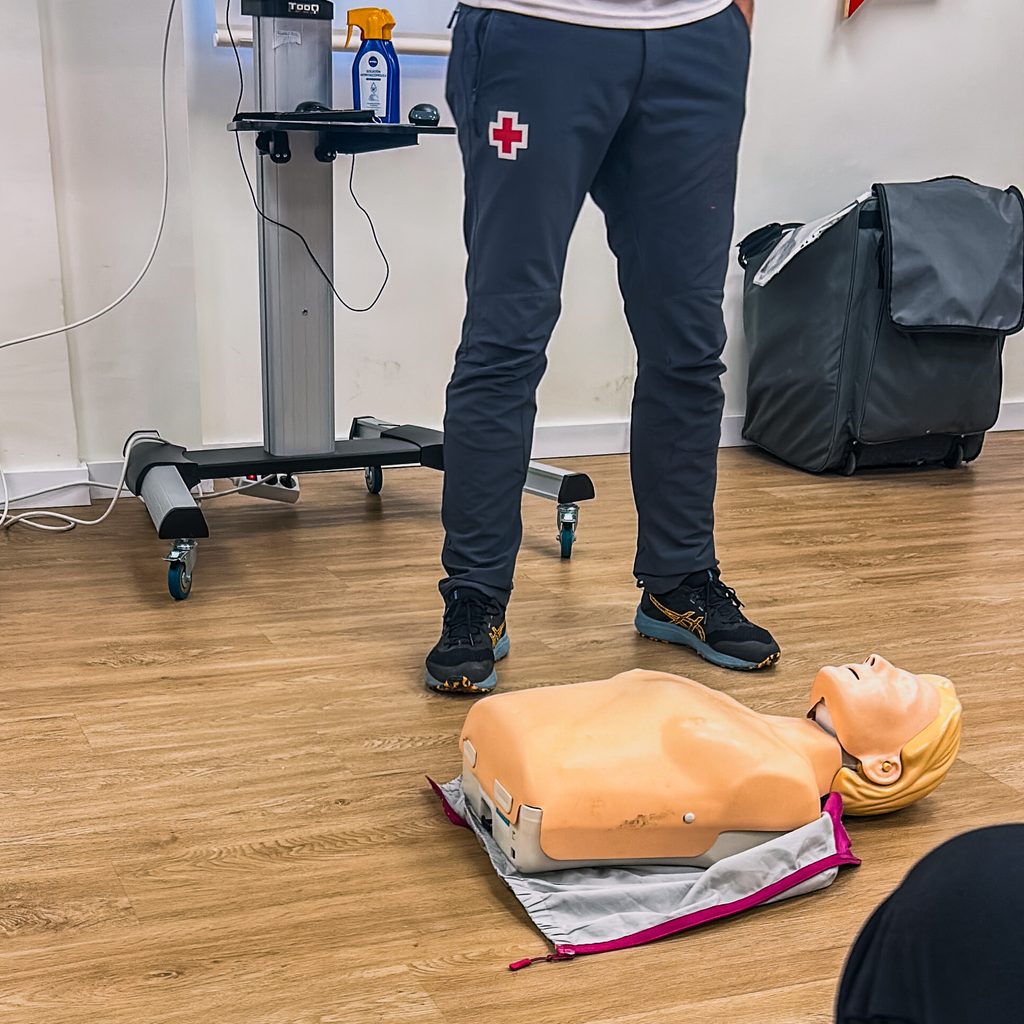
A year ago, I decided to take a course with Cruz Roja Española. It lasted a few hours and covered the basics: what to do, and what not to do. I am not going to pretend to share first aid practices here. My aim is to encourage you to take one of those courses too.
What I want to share is a few breakthrough moments about how a successful response, in almost any situation, comes down to the same principles. Whether it is a life emergency or a business one, we should be doing the same.
Protect, alert, rescue
The training emphasized resisting the impulse to go into rescue mode immediately. Two steps matter more than any direct help you can provide. First, protect: secure the situation so it does not worsen. Second, alert: ask for help, in whatever form you can. The sooner assistance arrives, the better the chances for the injured person. Only once the situation is secured and help is on the way should you do whatever you can to help the person.
The instinct to act first and think later is the instinct that gets punished hardest; in an emergency and in a business crisis alike. If acting quickly is not necessarily the best option even in life-or-death situations, why do we sometimes rush into solution mode in our business day-to-day, instead of pausing to analyze the context?
Communication
The same discipline applies once you move past the first response. Very few first aid situations are handled by one person alone. Reanimation is physically demanding, and there are opportunities for many people to take an active role: taking turns in the active reanimation, counting for the person performing compressions, or auditing the effectiveness of the reanimation.
Leadership, communication, and role clarity become essential for a positive outcome. This does not differ much from our day-to-day work, and we often fail to prioritize it, getting hands-on too quickly instead.
The loudest victim is not always the most critical
Judgment breaks down fastest under pressure, and nowhere is that clearer than in triage. When an accident injures several people, we may feel the need to go first to whoever is screaming. The reality is that being able to scream is often a sign of being in better condition than someone who cannot. Assessing the situation well before taking any action matters here too.
I have seen this exact same behavior throughout my professional life. Customers or internal stakeholders learn to be loud to get attention and priority, and many times they succeed. It is hard to assess priority objectively and calmly when someone is being loud, figuratively or literally, right next to you.
Protect and alert before rescuing. Communicate instead of going solo. Assess before reacting to volume. All three come down to the same discipline — and the reason it is possible to apply under pressure is process.
Process, process, process
I attended the course and learned a few things, but I do not practice them every day, so I would probably not be fully autonomous if I faced such a situation tomorrow. Nevertheless, the system exists to bridge that gap. Automated defibrillators are designed to walk you through the right steps at the right pace. When you call 112, the European emergency number, the operator keeps you on pace too and guides you through any difficulties.
That is standard work applied to the most critical process we can imagine.
This First Aid training gave me skills I hope I never need to use. It also gave me a few more examples for when we face pushback on process, standard work, or the discipline to stop before acting. First aid is a great training ground for our daily lives. Take the course: you will use more of it in the office than you think, and maybe you also save a life.