
A former senior colleague of mine back in my time as project manager used to say: “All tragedies are Greek.” He believed every new project crisis was just a remix of a story he had already lived before. According to him, the root causes, the development and the conclusions would follow similar structures, just with different characters and details.
Most of the time, he was right. However, as I learned last summer off the coast of Alicante, relying solely on what you have seen before can be a dangerous trap.
I have been sailing for over a decade. I like to think I am solid, cautious, and prepared. Before our two-week trip, I checked every system. Still, in the morning of departure, the fridge failed. We fixed it, delayed our start by a few hours, and set off. Two hours later, the motor died.
While we headed to the nearest port using the sails and a light breeze, I immediately diagnosed the problem. Years ago, we had a bacterial “sludge” block our fuel intake. I was so convinced this was the issue that I did not even consider other options. I spent hours on the phone with mechanics hoping it was something else we could fix while we sailed back to port. I nearly cancelled the entire trip.
Both mechanics started with the same simple question, though:
“Are you sure you have fuel?”
I felt insulted. “The gauge says full,” I replied.
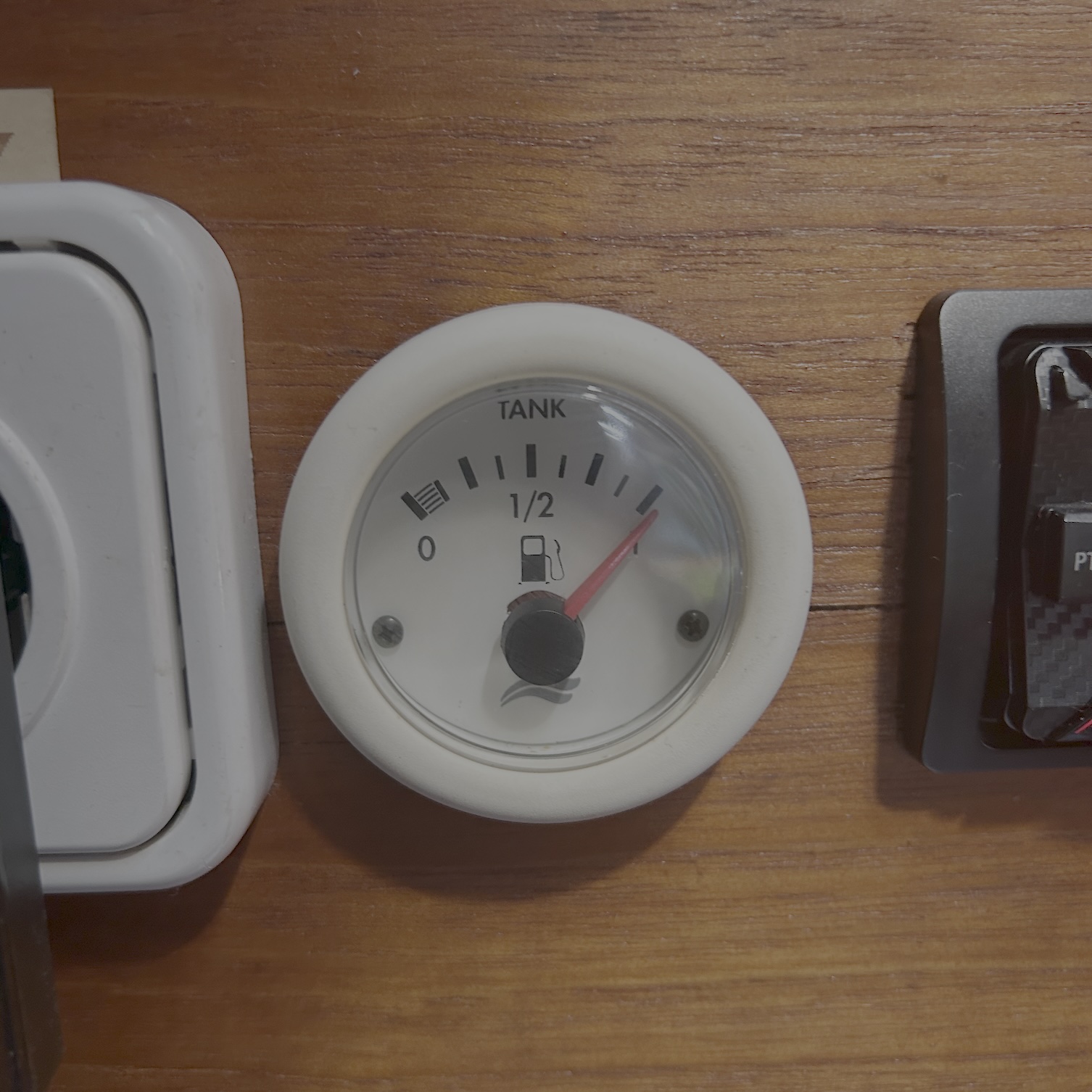
When we finally returned to our home port, the mechanic performed a physical check on the tank. It was dry. The indicator was broken. Because of the delay caused by the fridge repair, I had not refuelled before leaving the port as I always do. I trusted the gauge over my own standard operating procedure.
Business Takeaways for Leaders
These kinds of issues happen all the time, including every day at business. Here a few takeaways that we can apply in our daily professional (and personal) lives.
Beware of Expert Bias
The more senior we become, the faster we take shortcuts. We see a symptom (a dead motor) and jump to a “known” root cause (a blocked intake). This is a cognitive shortcut that can lead to expensive errors. To combat this, we should use structured tools to force a wider perspective:
- Ishikawa (Fishbone) Diagram: This helps you map out all potential causes across different categories before jumping to a conclusion.
- The 5-Whys: This method forces you to peel back the layers of a problem to find the actual origin.
If I had followed either of these methods, I would have discovered that the deposit was empty. I would have saved many hours of stress and wait for a mechanic to help.
Question Your KPIs
We run our businesses and supply chains on dashboards and indicators. However, how often do we audit the sensors? Before you take drastic action based on a Key Performance Indicator (KPI), you should “bang on the tank” to verify if it is filled with air or fuel. Always verify the data source and any calculations before you trust the output.

Do Not Take Shortcuts
The real root cause of my fuel crisis was not just a broken indicator. It was my decision to skip a step. I did not refuel before departing because I was in a rush and trusted the dashboard. I should have followed my usual checklist, including the steps that seemed redundant. In our work environment, those “unnecessary” steps are often the ones that prevent total failure. Had I followed my usual steps, I would have been surprised with a huge invoice for refuelling but would have followed my original plan.
Trust the “Stupid” Question
Two different mechanics asked me if I had fuel. I dismissed them because the answer seemed too obvious to double check. Never underestimate the value of an expert (more even when they are two) asking a basic question. More often than not, the most complex problems have the simplest origins. Have you heard of Ockham’s Razor? The simplest explanation is usually the right one.
Final Thoughts
Our history helps us navigate and be agile, but it can also blind us to the present reality. We must look at the facts as they are, not as we expect them to be. Not all tragedies are Greek; sometimes, it is just an empty tank.
Has your experience ever led you down the wrong path because you assumed you already knew the answer?
Leave a Reply